
Research and Analysis
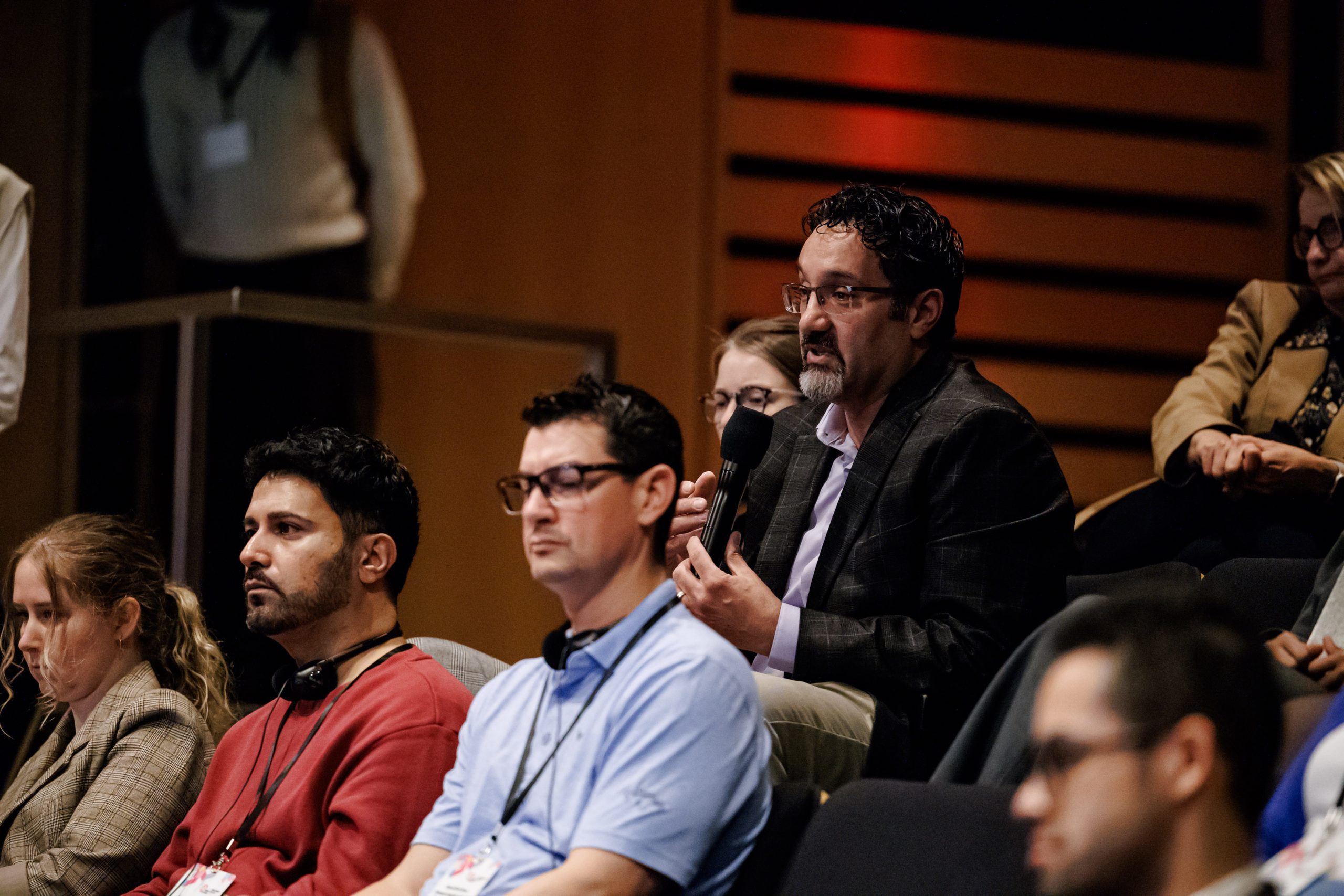
Research and analysis are central to our work at the Centre. Through rigorous policy and country studies, as well as collaborative inquiry with scholars and practitioners around the world, we generate evidence and insights that improve our understanding of pluralism and how it can be strengthened in diverse contexts. Our work explores the political, economic and cultural conditions that enable societies to respond to diversity in ways that foster belonging, recognition and resilience. This page brings together the Centre’s research outputs and analytical work that inform policy, practice and public dialogue on pluralism.
A cornerstone of our effort in research and analysis is the Global Pluralism Monitor, an applied research initiative that assesses the state of pluralism in countries around the world. Developed in collaboration with country-based researchers and practitioners, the Monitor examines how institutions, societal actors, policies and practices shape the understanding of and responses to diversity. By weaving our framework and methodology with country-specific expertise, the Monitor generates evidence that supports informed and practical approaches to building more inclusive societies. The Centre works in partnership with local actors to advance these approaches.
Resources & Papers
Publication Series
Global Pluralism Monitor Country Reports
Using the Centre’s Global Pluralism Monitor methodology and drawing on qualitative and quantitative data, a team of experts produces a country report on the state of pluralism in their society. The reports are grounded in local realities, putting communities’ lived experience at the centre of the analysis.
Publication
Where Sussex Meets the Kichi-Sibi: History and Pluralism at 330 Sussex
Commissioned by the Centre and written by Archipel Research & Consulting, an Indigenous-owned and women-led firm, this historical research documents the many layers of painful history attached to this location. While highlighting the significance of this site as an important place of connection, the report underscores how the settlement and transformation of Ottawa into a national capital is also a story of violent dispossession and forced assimilation of First Nations.
Publication Series
Accounting for Change in Diverse Societies
Accounting for Change in Diverse Societies is a new publication series from the Global Centre for Pluralism focussed on six world regions. Each “change case” examines a specific moment when a county altered its approach to diversity, either expanding or eroding the foundations of inclusive citizenship. The series also features thematic overviews by leading global scholars. The series aims to build global understanding of the sources of inclusion and exclusion in diverse societies and the pathways to pluralism. This work was carried out with the aid of a grant from the International Development Research Centre, based in Ottawa, Canada. Read the papers at the links below.
Publication Series
Intersections: Practicing Pluralism
Intersections: Practicing Pluralism is a series of guides and think pieces for practitioners. Each paper maps an established field of practice to identify potential intersections with pluralism. By helping practitioners apply a pluralism lens to their work and by showing how many fields already contribute to pluralism, our aim is to open a new global conversation about living peacefully with diversity.
Research Advisory Group
In 2014, the Centre formed an international research advisory group of leading experts in law, politics, economics, sociology and anthropology, each with wide-ranging regional expertise and experience. Members of the group have played a vital role in developing the Centre’s research program and helping to assess its results.