Global Headquarters
330 Sussex Drive in Ottawa is a Canadian landmark that sits within the unceded territory of the Algonquin Anishinaabe Nation.
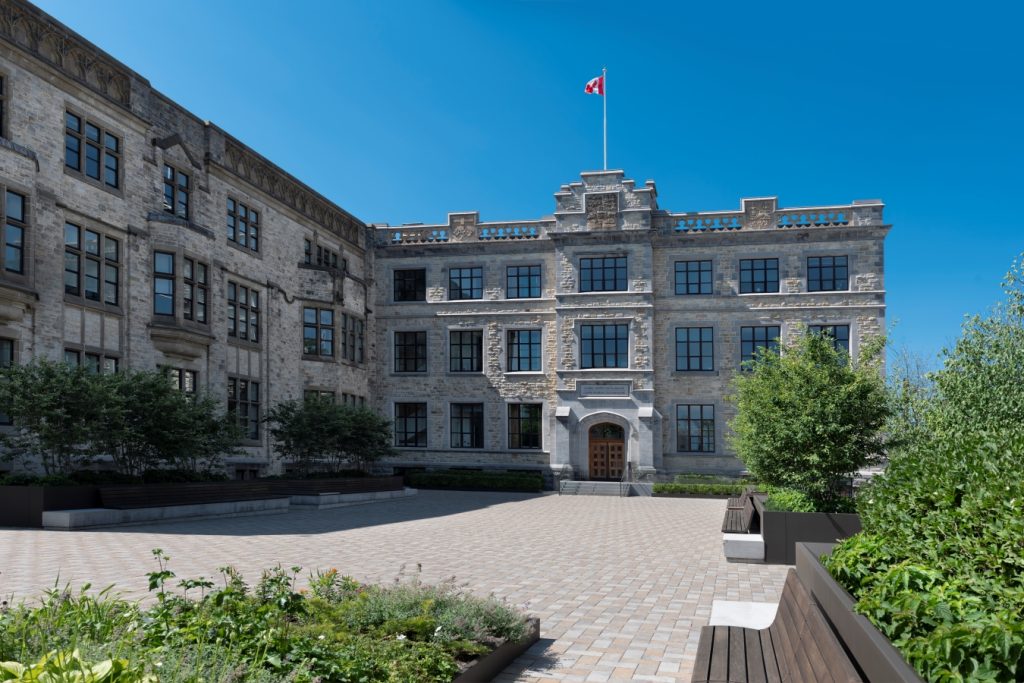
330 Sussex Drive
In the heart of the nation’s capital, within sight of Canada’s Parliament, this historic building and its serene gardens attract hundreds of local and international visitors each year.
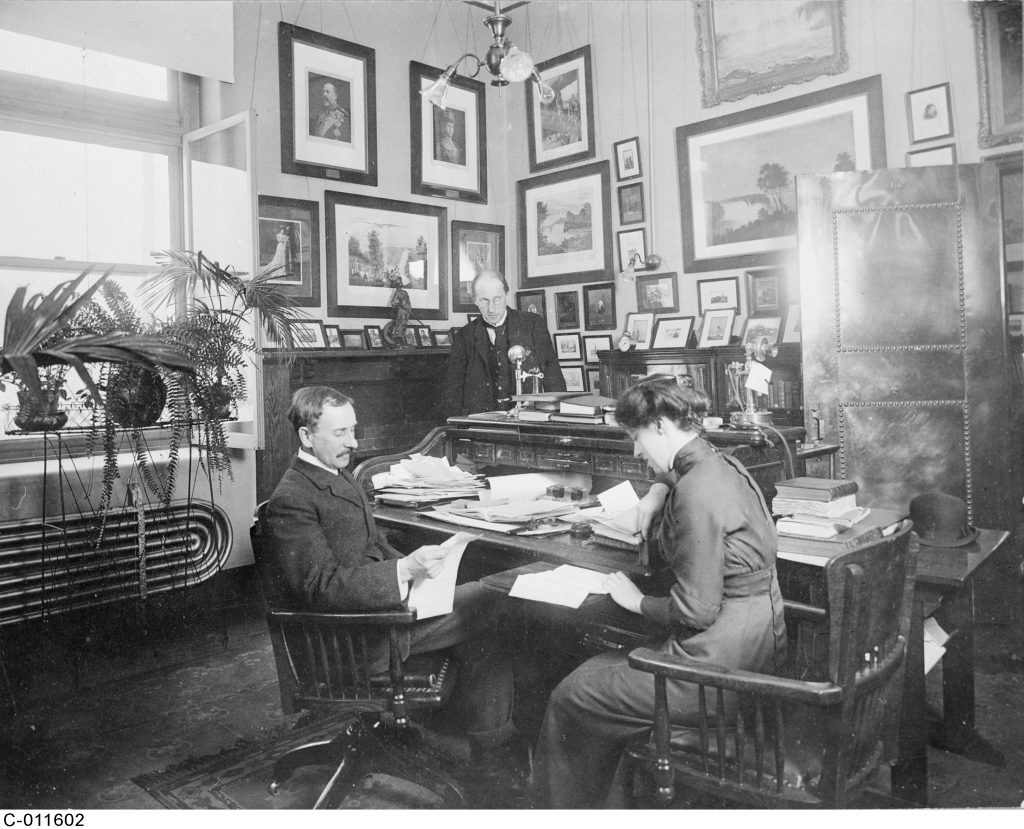
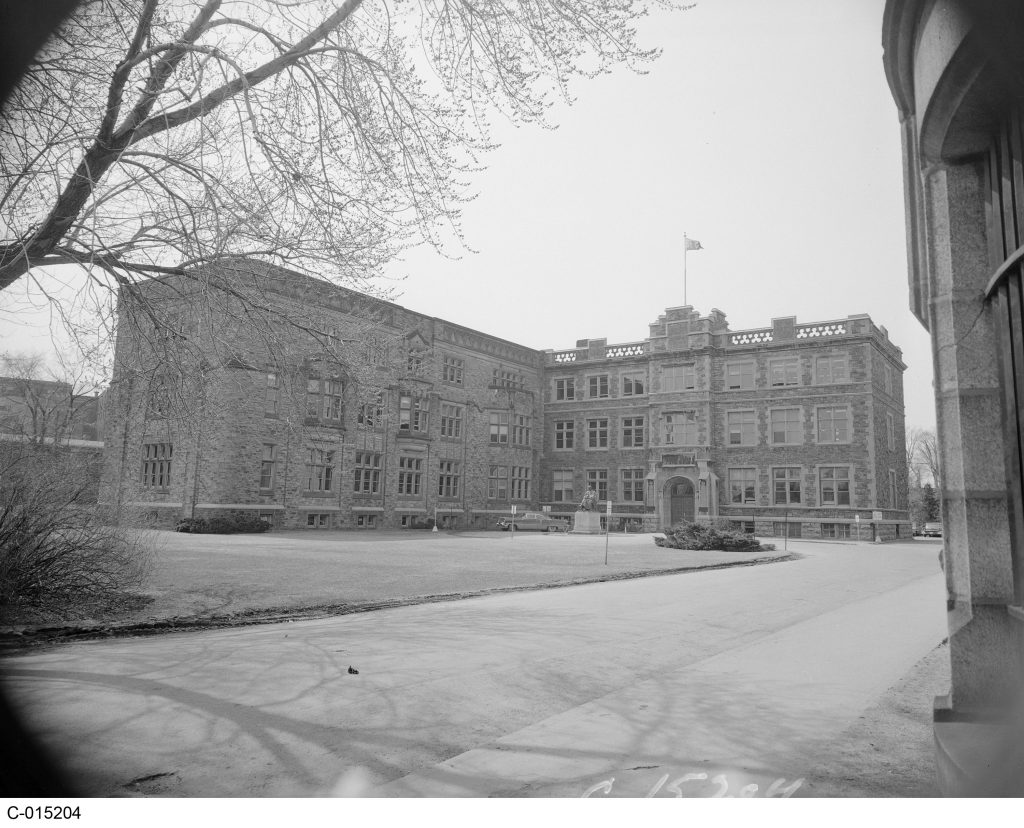
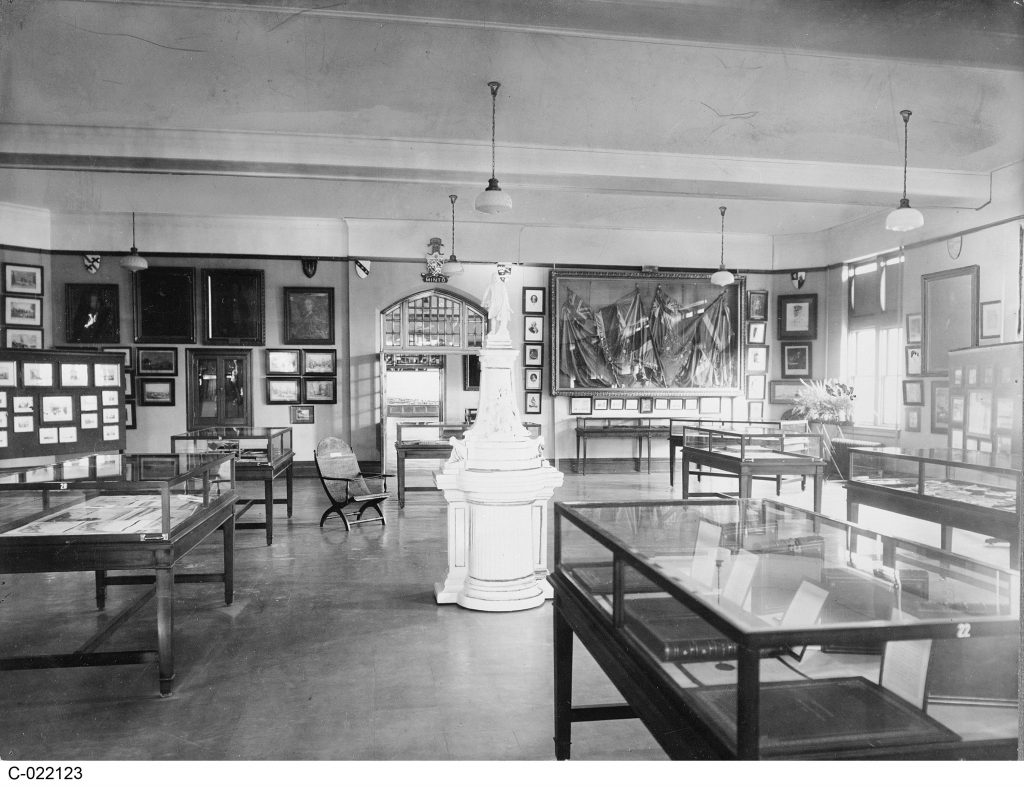
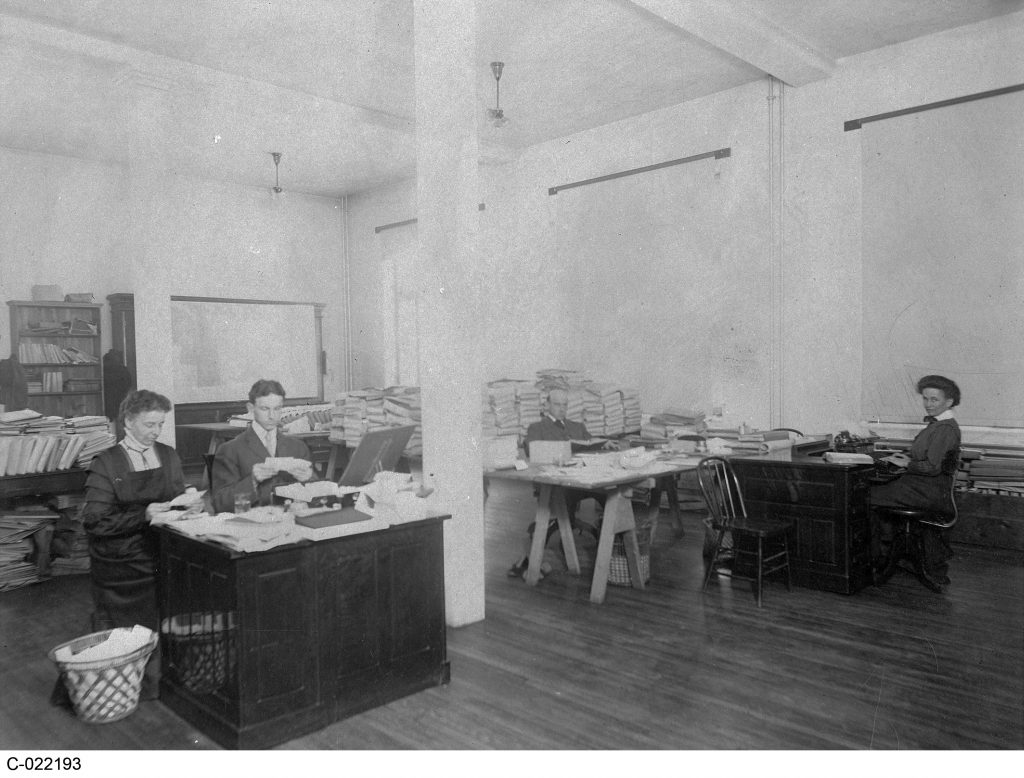
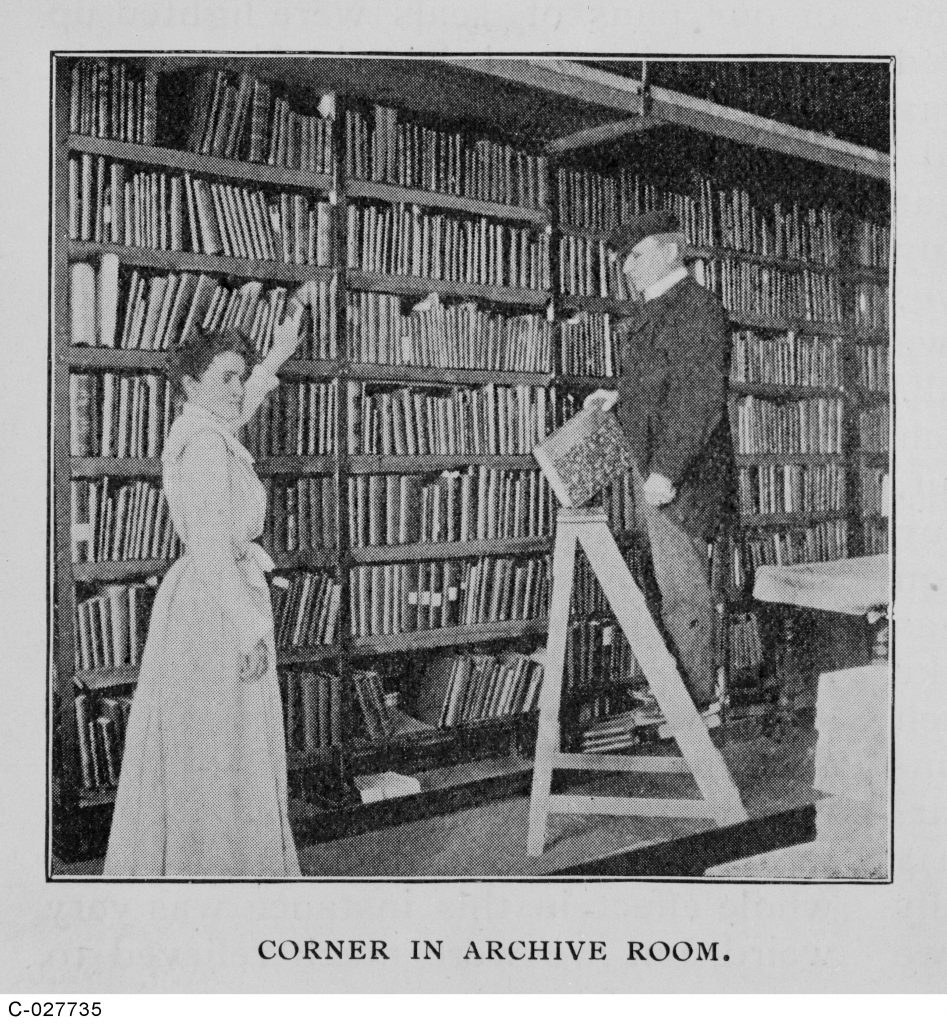
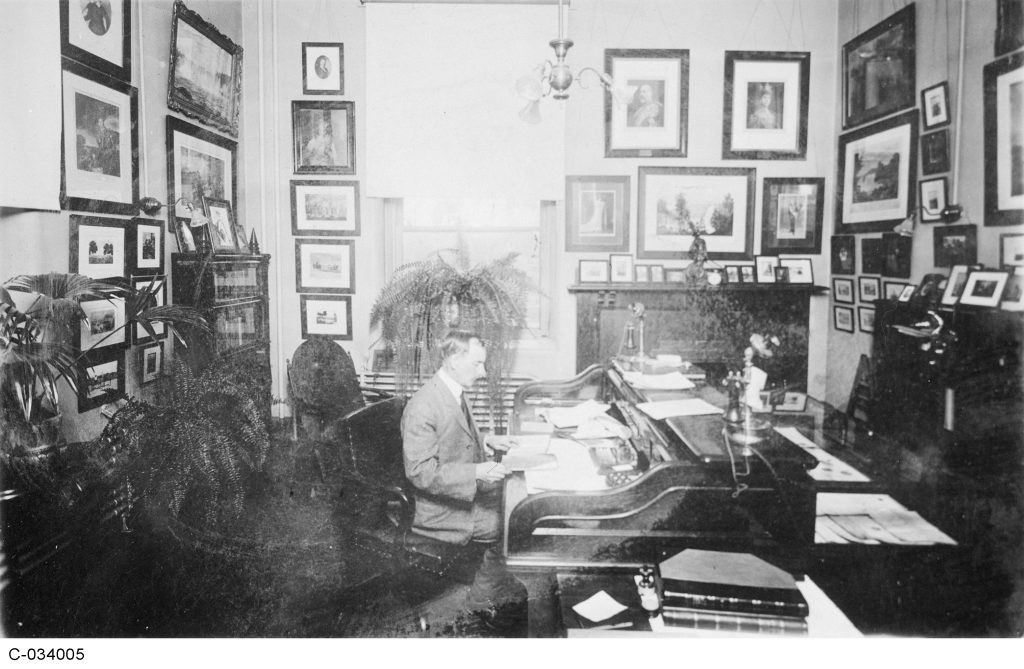
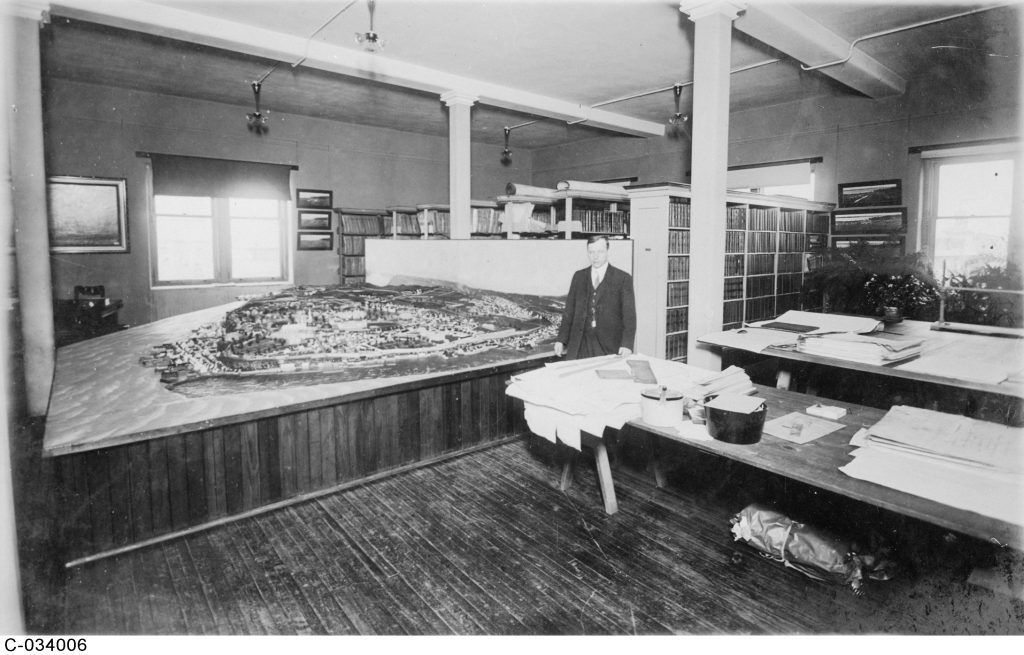
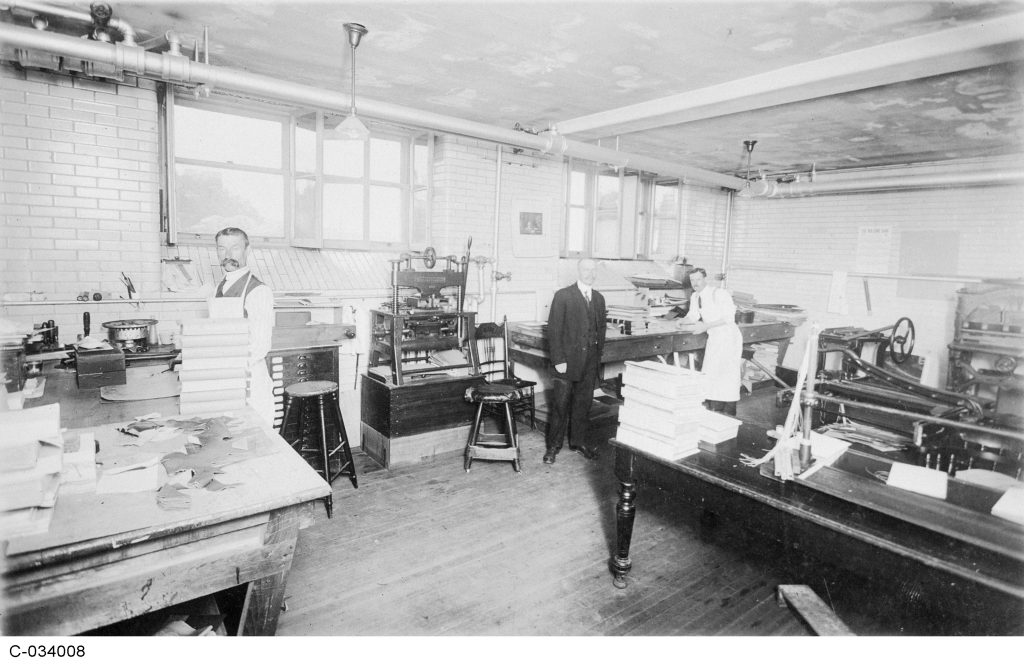
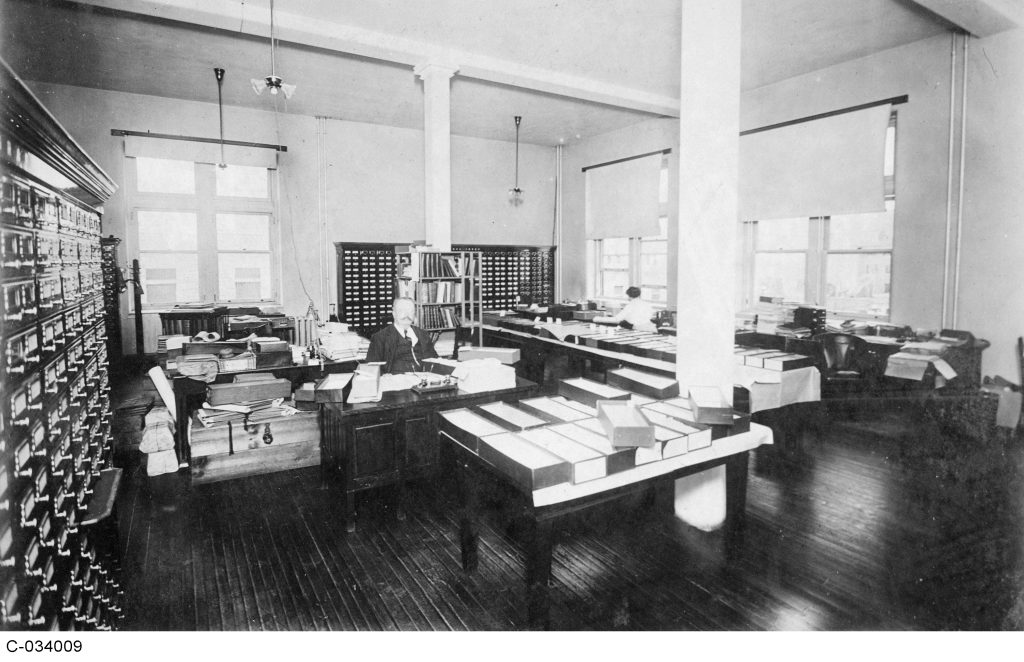
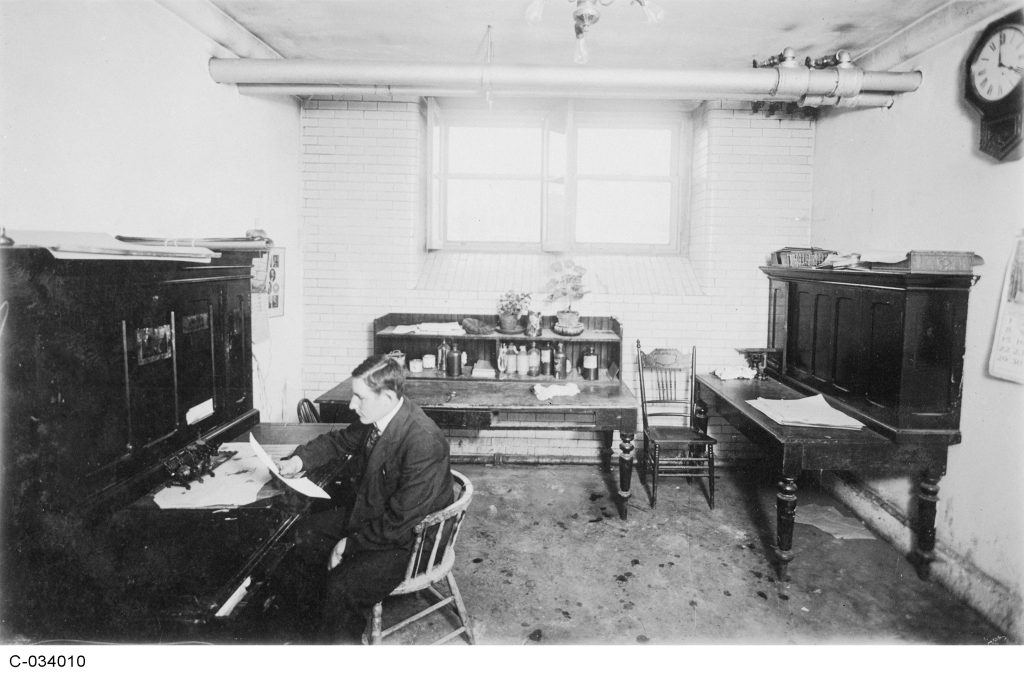
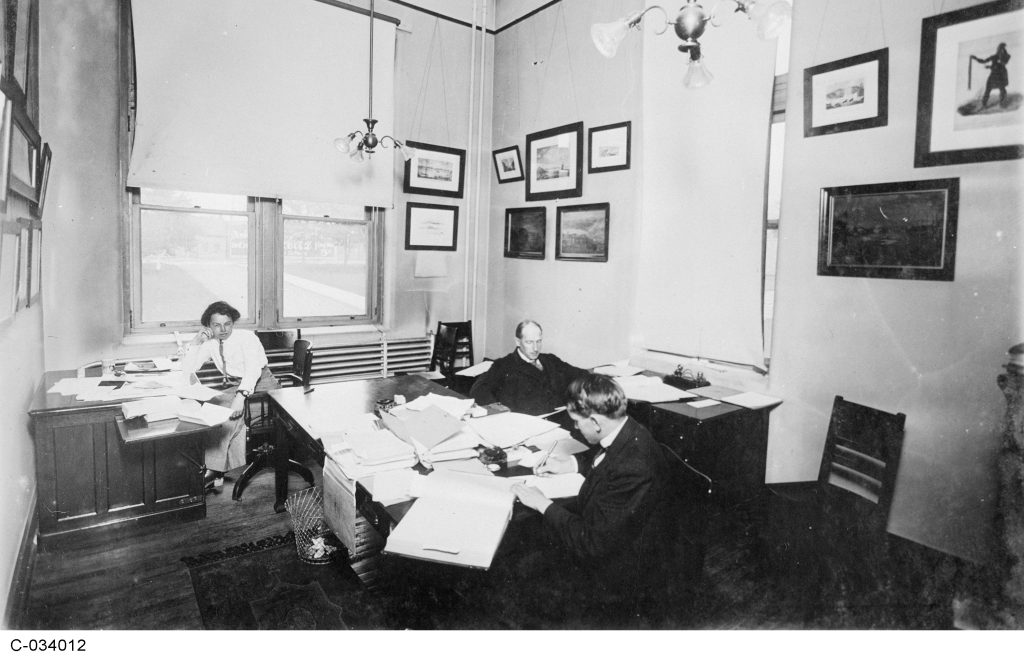
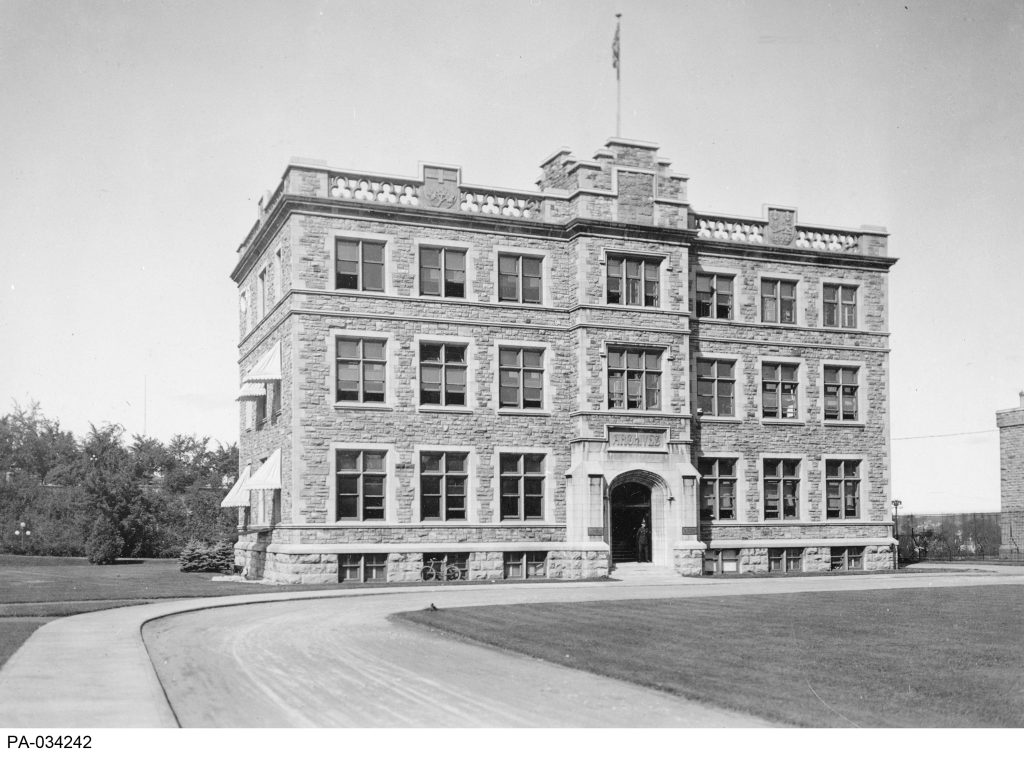
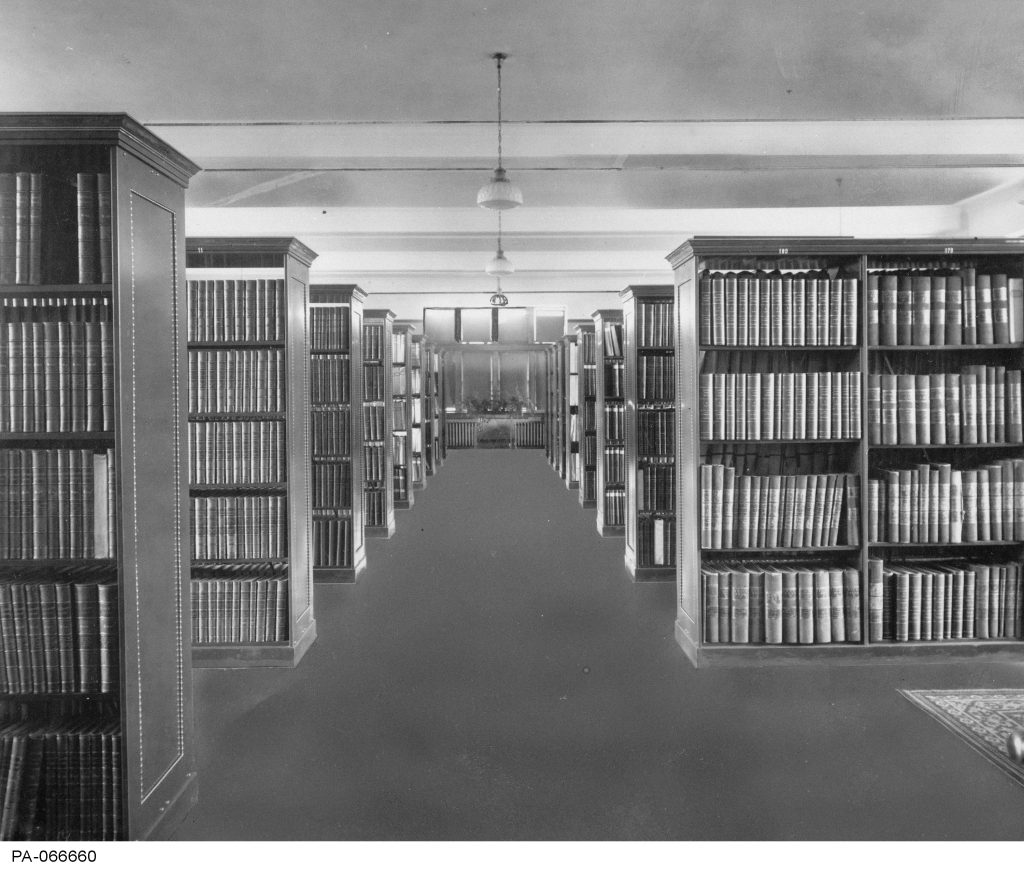
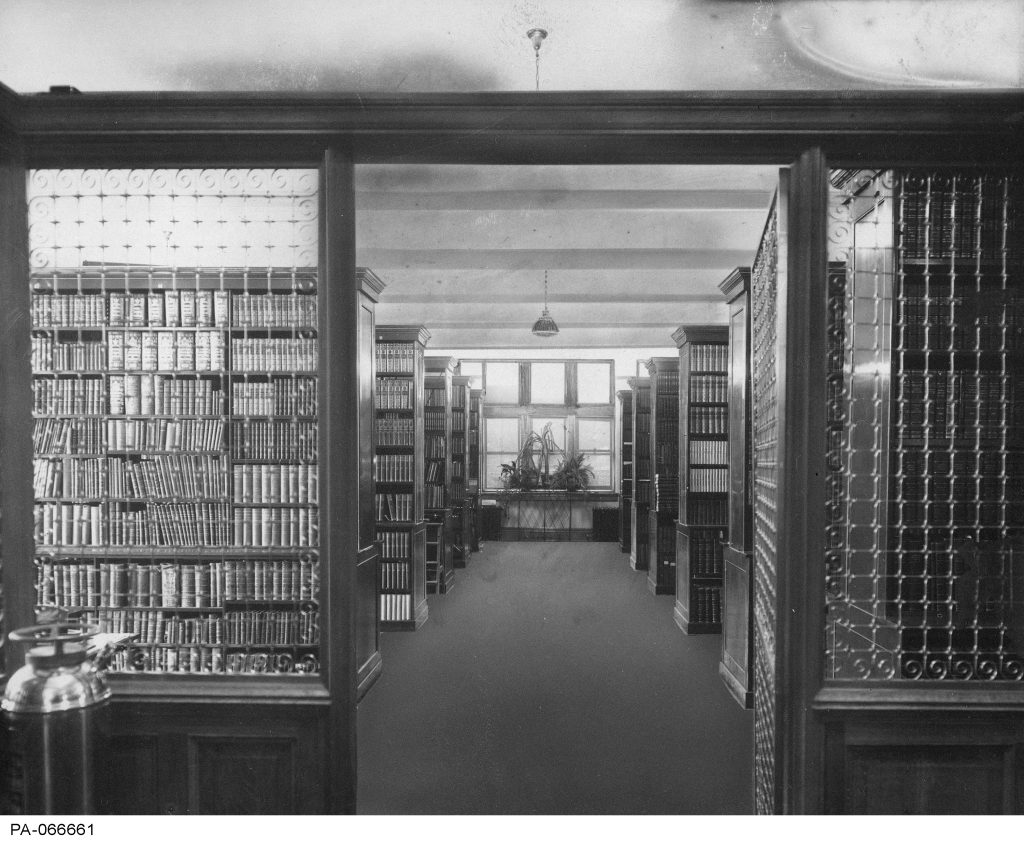
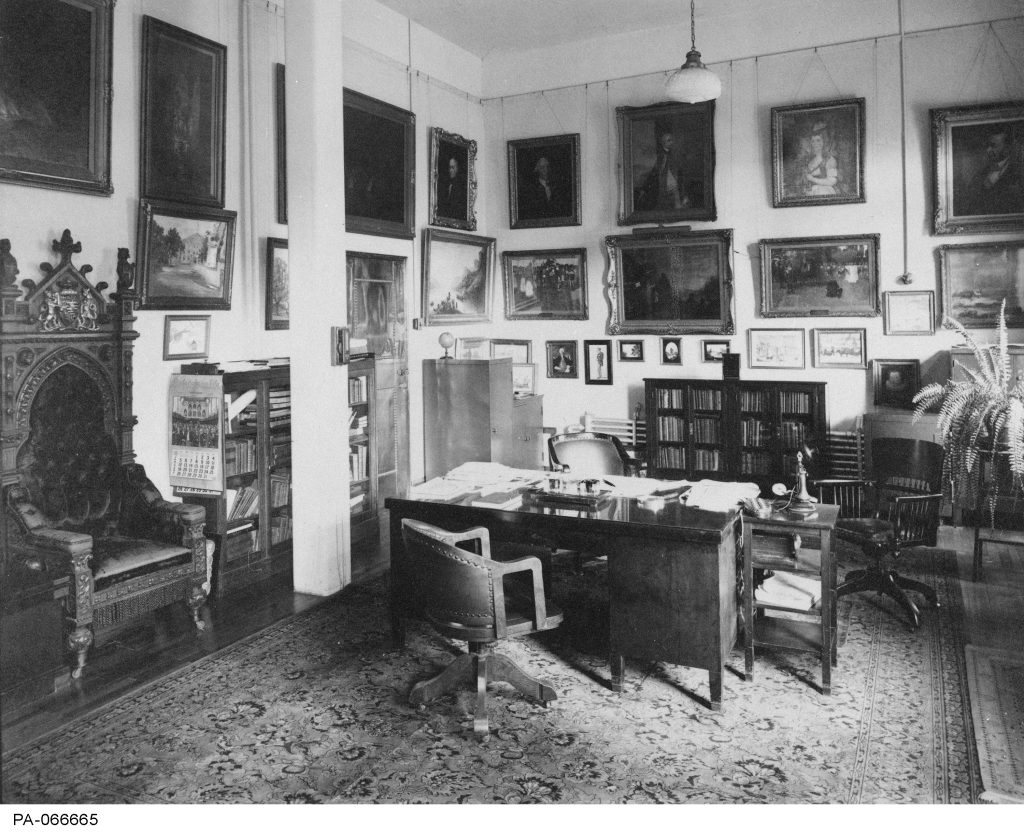
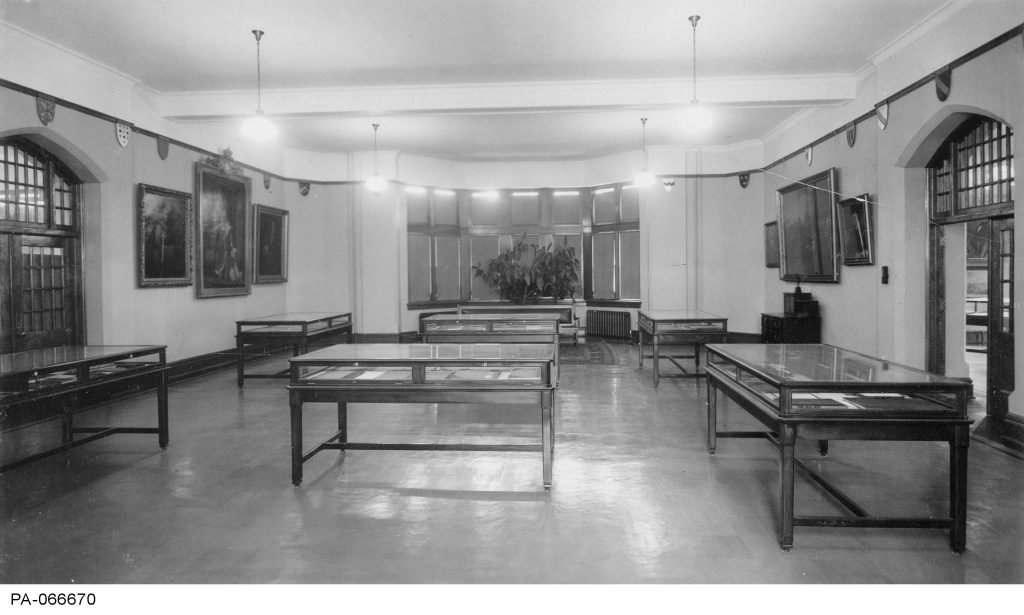
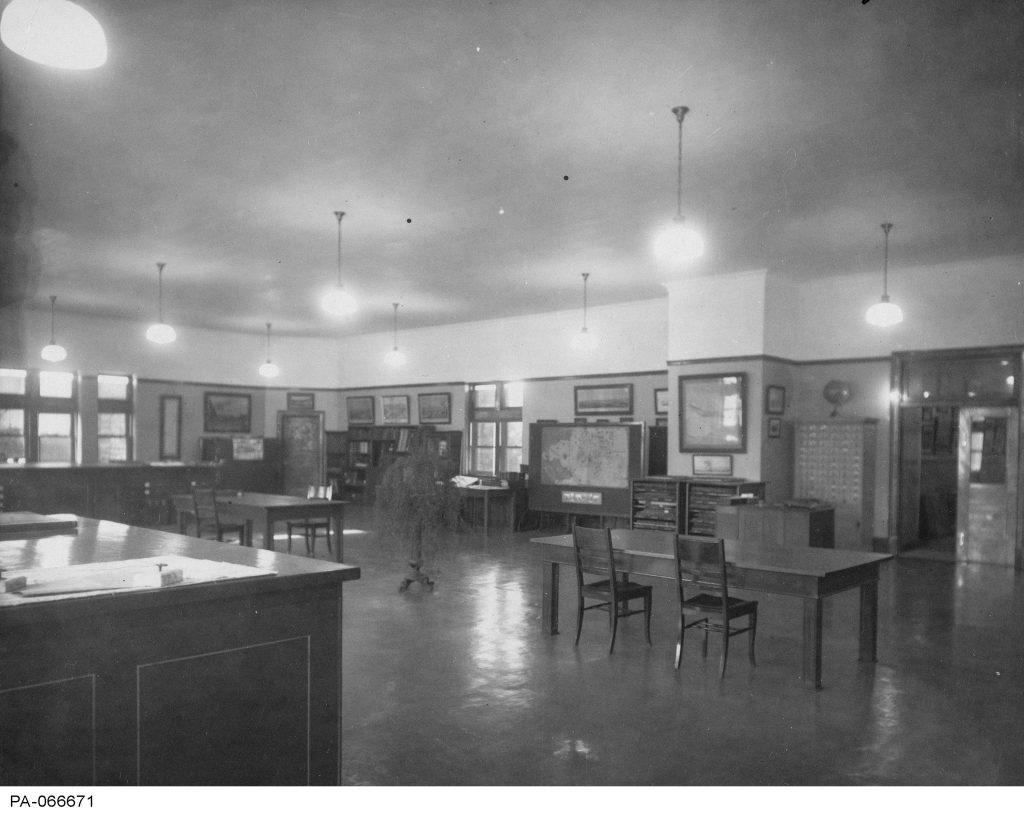
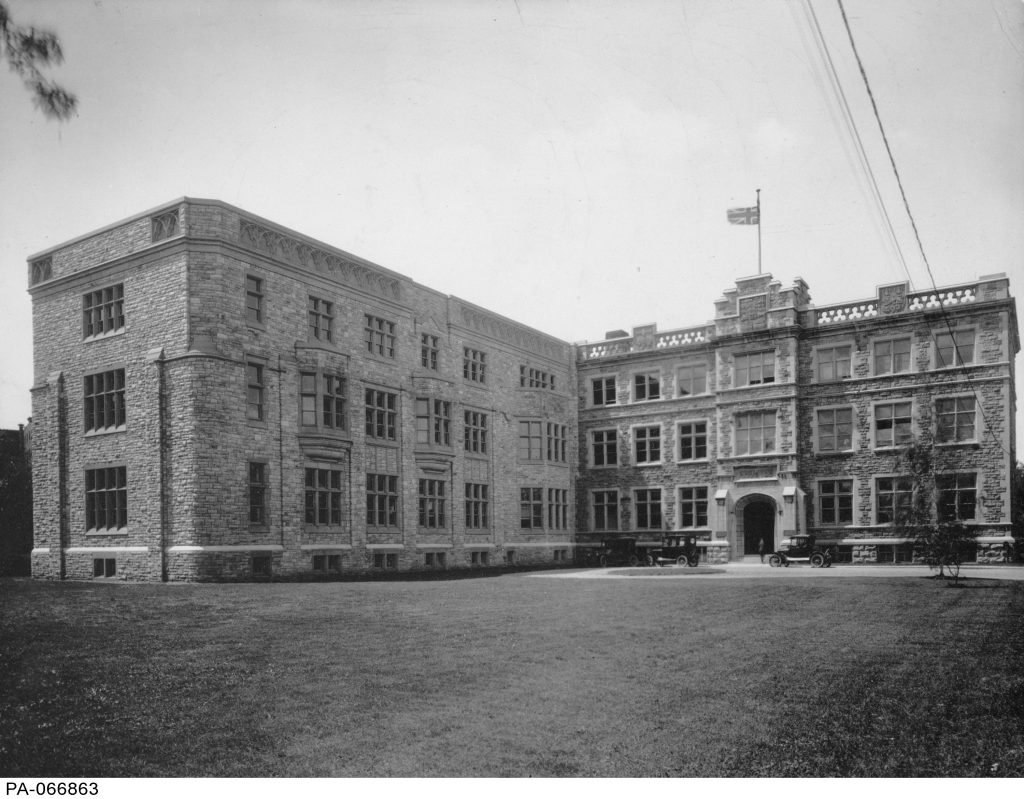
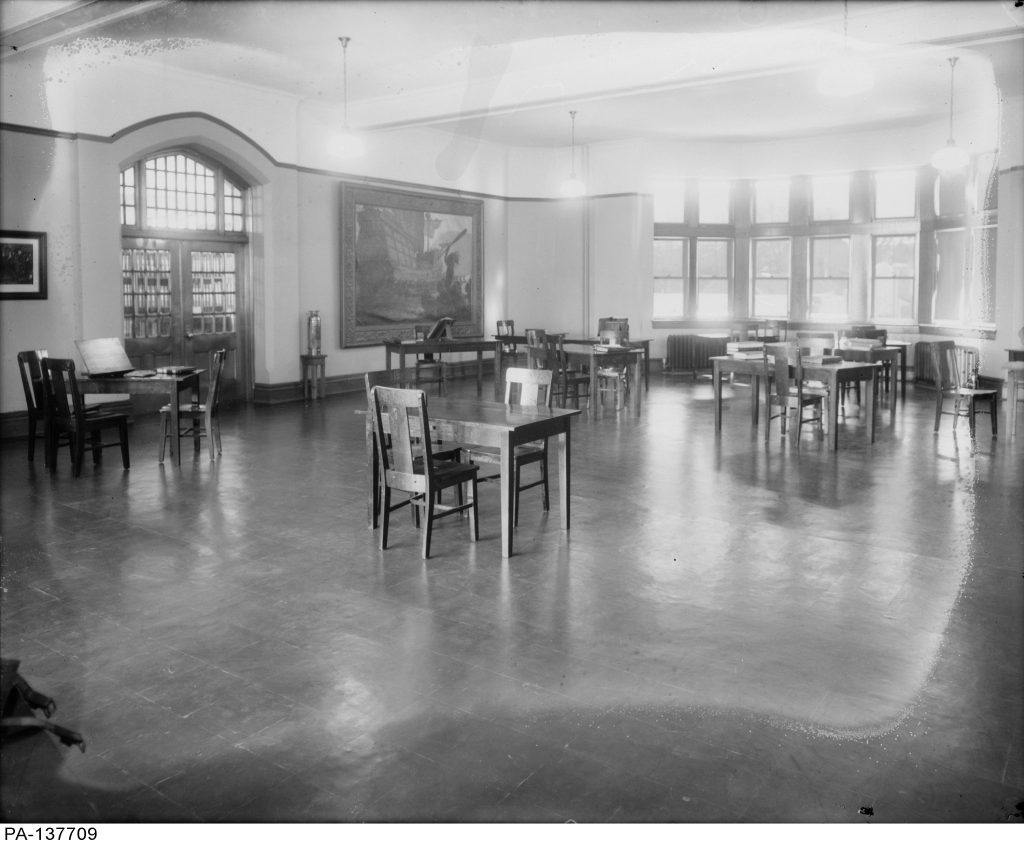
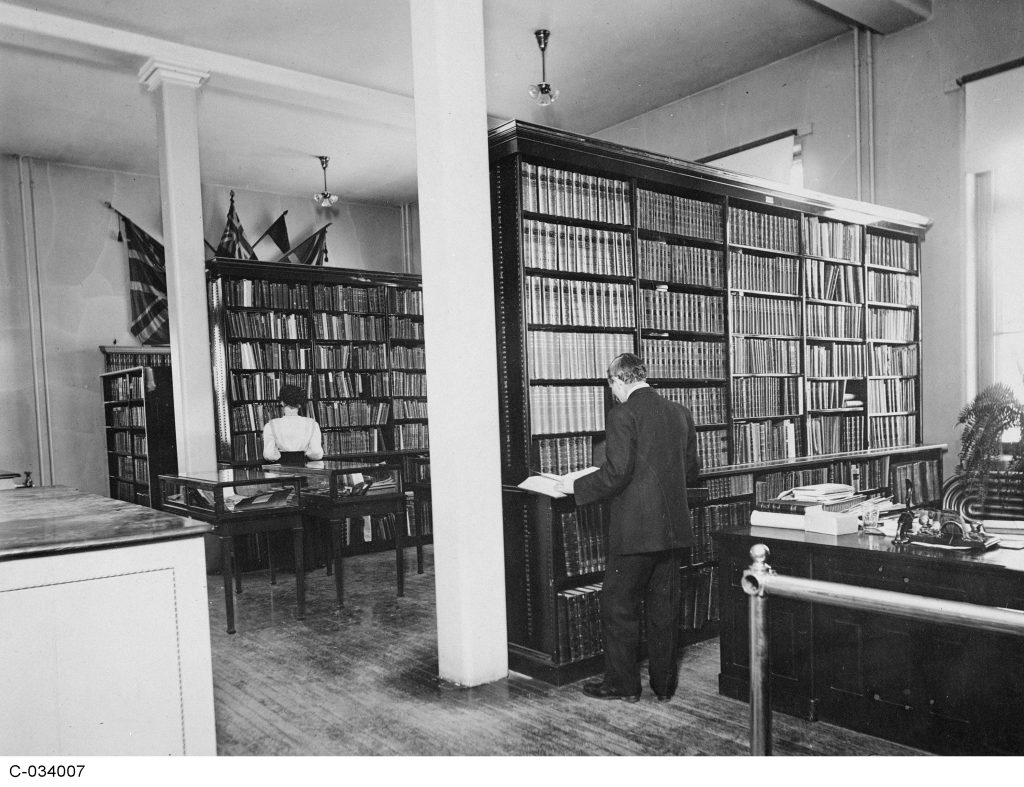
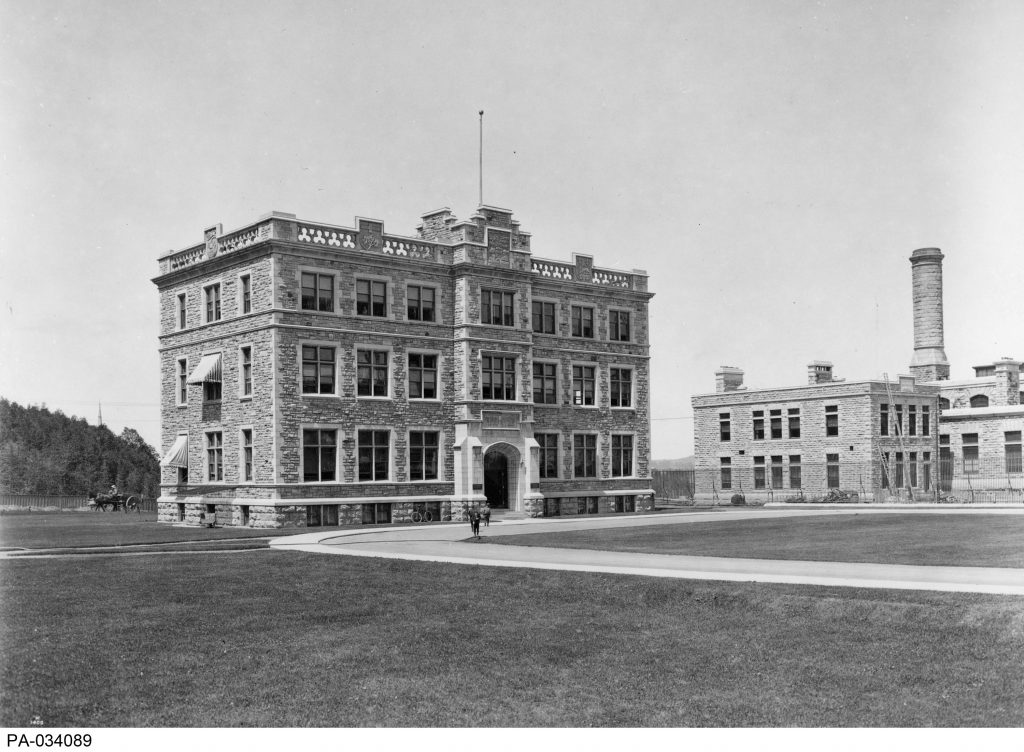
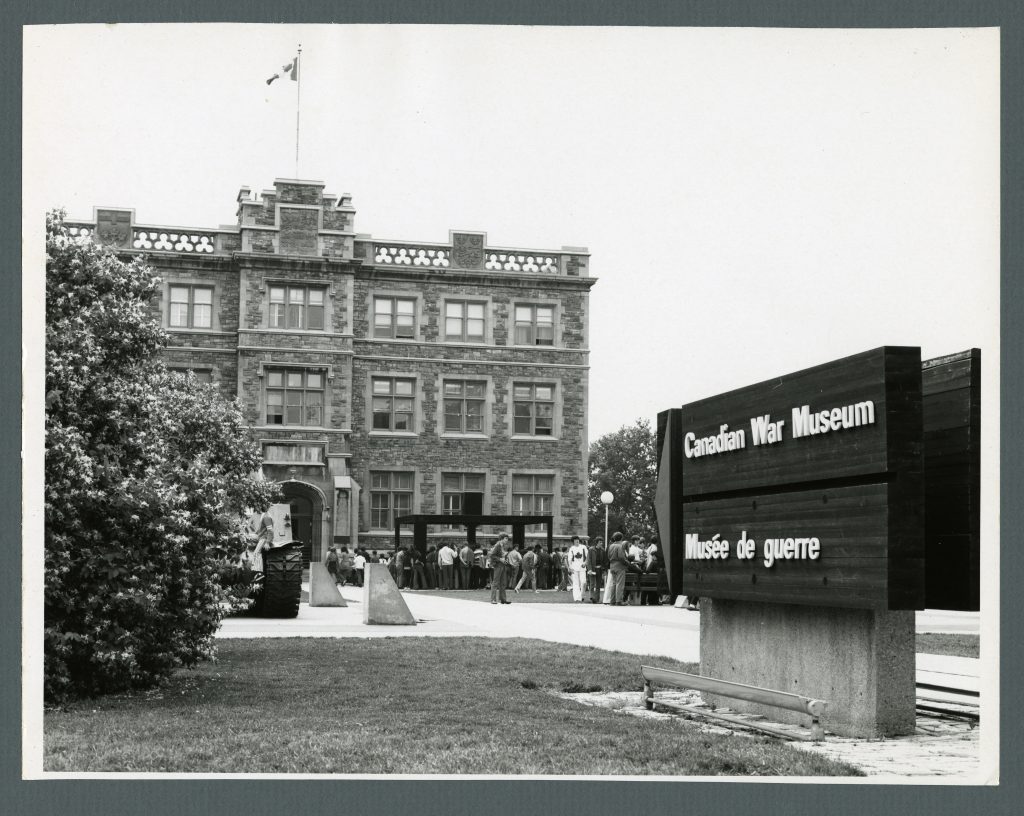
In the early twentieth century, as Ottawa took shape as a capital city, the site was home to the Dominion Archives (1905-1967) and, later, to the Canadian War Museum (1967-2005). Construction was first undertaken between 1904 and 1906 by the Chief Dominion Architect of the time, David Ewart, whose other notable Ottawa buildings include the Royal Canadian Mint and the Canadian Museum of Nature.
However, following the move of the Canadian War Museum to its new location, the building fell into disuse, and required major renovation. As part of the partnership between His Highness the Aga Khan and the Government of Canada, the building at 330 Sussex Drive was transformed. The extensive multiyear restoration, funded by His Highness the Aga Khan, has reinvigorated this as a site that once again bridges cultures and reconnects the building with its natural surroundings. It was inaugurated as the headquarters of the Global Centre for Pluralism in May 2017 and offers gathering space for dialogues, events and social gatherings in Ottawa, fostering connections and collaboration in the National Capital and beyond.
Land Acknowledgement
AND INDIGENOUS HISTORY OF THIS SITE
Our headquarters are located on the unceded territory of the Algonquin Anishinaabe Nation, near the confluence of the Ottawa, Rideau and Gatineau Rivers. The Global Centre for Pluralism recognizes the Algonquins as the customary stewards of the Kichi Sibi (Ottawa River) watershed and its tributaries. We honour them as our host nation and thank them for their long history of welcoming many nations to this site — one that holds great spiritual and social significance. We are honoured to be on this land.
Canada is presently reckoning with its historic and contemporary treatment of the land’s First Peoples. This includes contested land treaties that altered the infrastructure and way of life for Indigenous communities as well as nearly a century of a residential boarding school system that forcibly removed Indigenous children from their families and into hostile environments where thousands suffered severe trauma and abuse, and many did not survive. It is estimated that over 3200 children died at these “schools” and as of August 2021, over 1300 unmarked graves were uncovered on sites across the country with the expectation of more as investigations continue. In 2015, the Truth and Reconciliation Commission of Canada issued a multi-volume report that concluded the school system amounted to cultural genocide. It issued 94 calls to action as steps toward reconciliation between Canadians and Indigenous peoples.
In 2021, as part of our own journey toward reconciliation, the Global Centre for Pluralism commissioned historical research, from an Indigenous perspective, on the river and lands surrounding our Ottawa headquarters. The report, Where Sussex Meets the Kichi Sibi: History and Pluralism at 330 Sussex by Archipel Research & Consulting, an Indigenous-owned and women-led firm, documents the many layers of painful history attached to this location. While highlighting the significance of this site as an important place of connection, the report underscores how the settlement and transformation of Ottawa into a national capital is also a story of violent dispossession and forced assimilation of First Nations. The heritage of this beautiful site is thus deeply entwined with both the proud moments and dark shadows of Canada’s colonial past.
Understanding our shared past from all perspectives is one essential step on the path to reconciliation. We encourage visitors to read and reflect on this history, as we work towards a new relationship of healing between Canadian society and the First Peoples of this land.
Gathering Spaces: A Resource for the Community
The gathering spaces within 330 Sussex Drive are not restricted to the use of the Global Centre for Pluralism alone. We partner with organizations whose events align with our mission of advancing pluralism in Canada and worldwide. Through our Signature Space Rental Program, these spaces are also made available to other organizations and individuals for events, including corporate meetings, seminars, workshops, cultural celebrations, weddings and other social functions. This program allows us to extend the reach of our mission while offering a unique venue that combines heritage, modernity, and a commitment to fostering inclusive dialogue. Learn more about our Space Rental Program.

Rentals
With state-of-the-art Wi-Fi, interpretation booths, and full media and broadcast tech, your next corporate event will impress and inspire.
Photography/Videography Policy
Photography and videography are permitted throughout the space, with guidelines to ensure a respectful and secure environment.
Courtyard Policy
The courtyard is available for gatherings and photography, with guidelines in place to ensure respectful use of the space.
330 Sussex in an Emerging National Capital
AND INDIGENOUS HISTORY OF THIS SITE
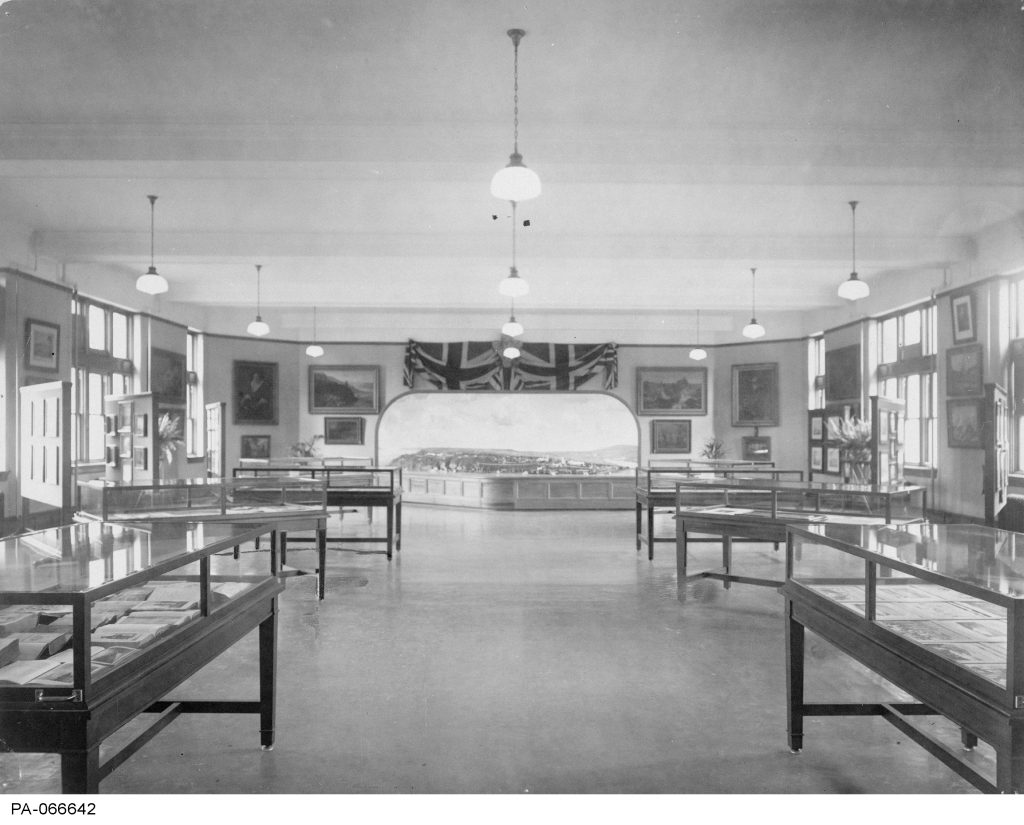
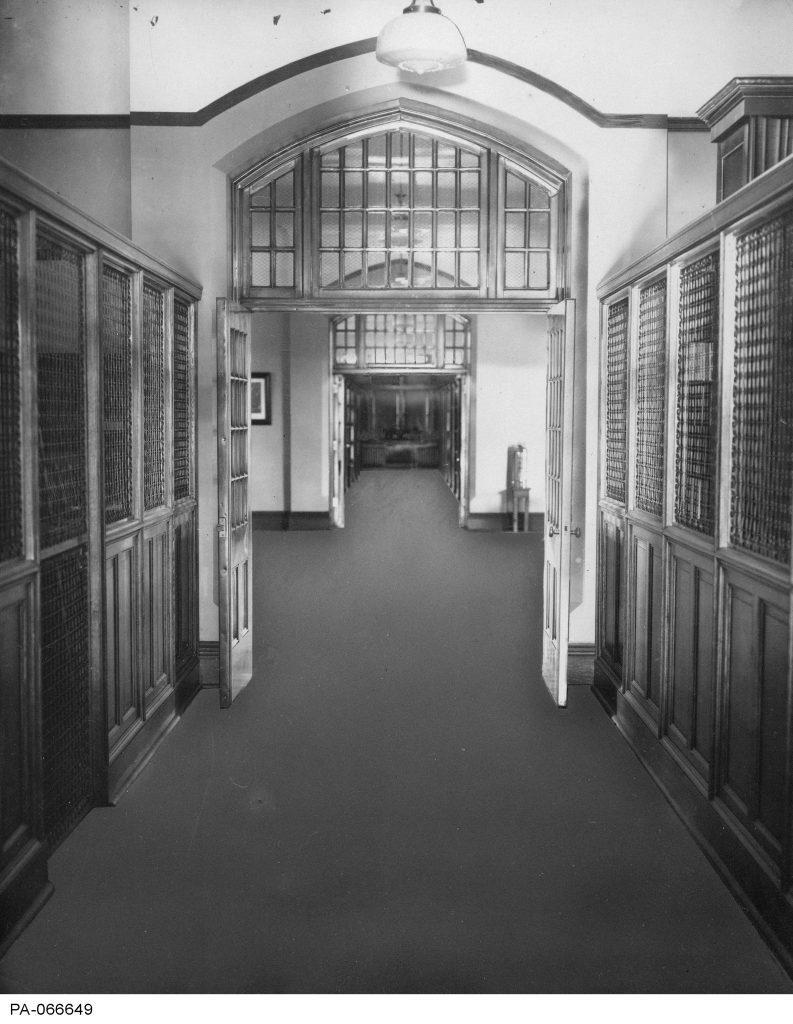
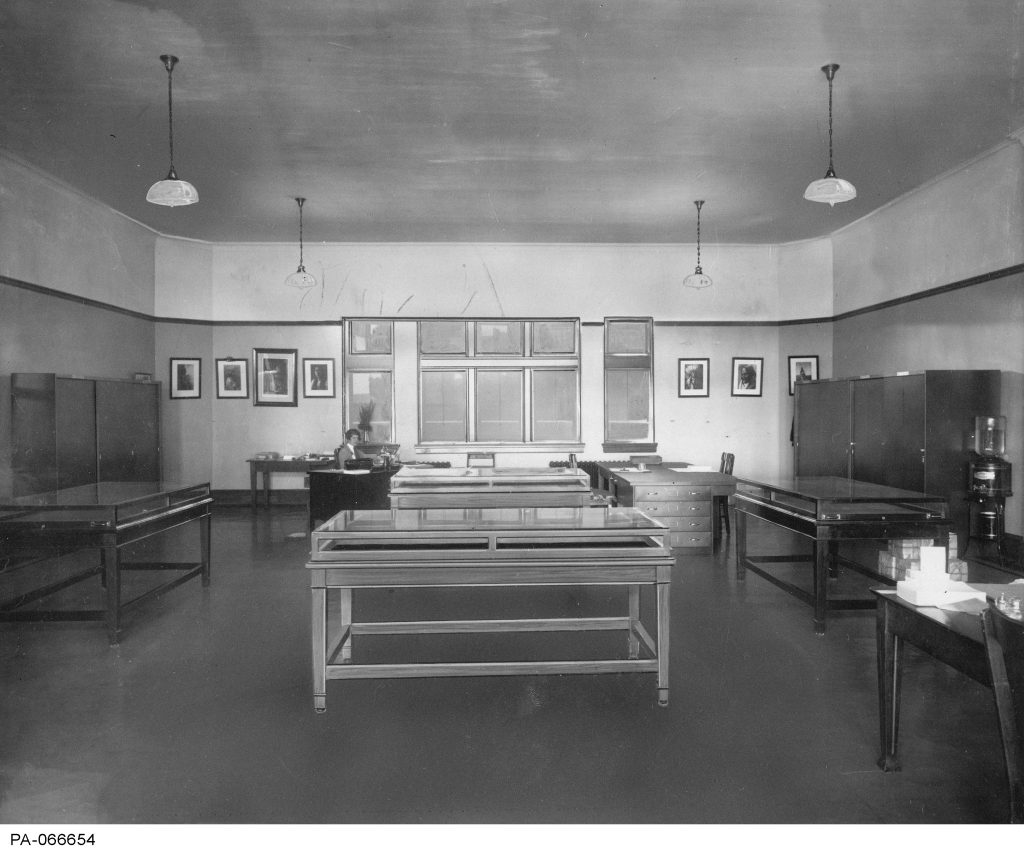
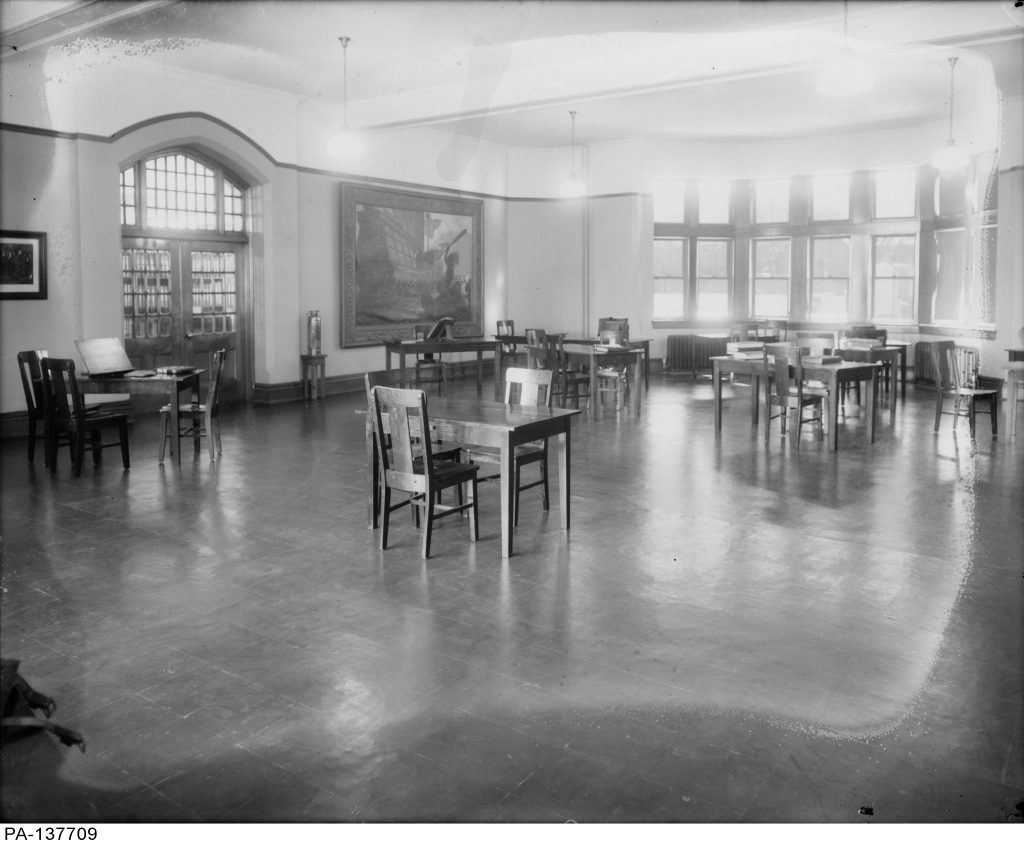
Ottawa was named the capital of the Dominion of Canada in 1867. The decision to build the Dominion Archives at 330 Sussex Drive was part of a broader initiative led by Prime Minister Sir Wilfrid Laurier to transform the capital city into a prestigious destination and a centre for intellectual development. The new public archives at 330 Sussex Drive would be a place for Canada’s historical records to be collected, preserved and studied. Many aspects of the building’s design speak to its initial purpose: the large windows provided ample natural light to review documents; several open, undivided spaces allowed for reading tables, shelving and displays; and the fire-proof building materials ensured the protection of historical documents.
The original wing of 330 Sussex, built between 1904 and 1906, was a three-storey stone building with a central entrance in the Tudor Gothic architectural style, matching other federal landmarks in Ottawa, including the buildings on Parliament Hill. In 1925, another wing was built to accommodate the growing collection of archival records. This addition was built at a right angle to the original with the hope that a third wing might be introduced along its north edge as the institution continued to expand.
CWM Corporate Binder
The archives and the parliamentary buildings share more than just their architectural style: they also shared a building contractor. It is widely believed in Algonquin communities that the mortar used in laying the bricks of the Parliament Buildings contains sand taken from one of four Algonquin burial sites located in the area, including one across the river from Parliament Hill near the current site of the Canadian Museum of History. It is possible that the contractor may have used some of the same materials in building 330 Sussex.
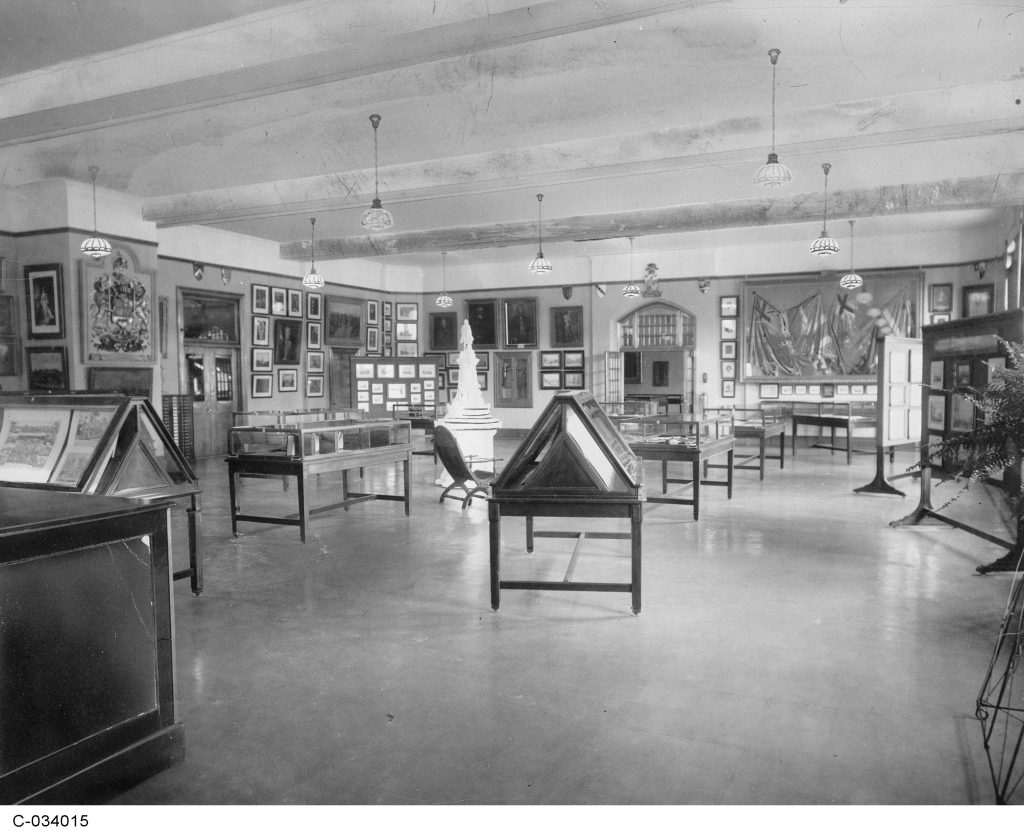
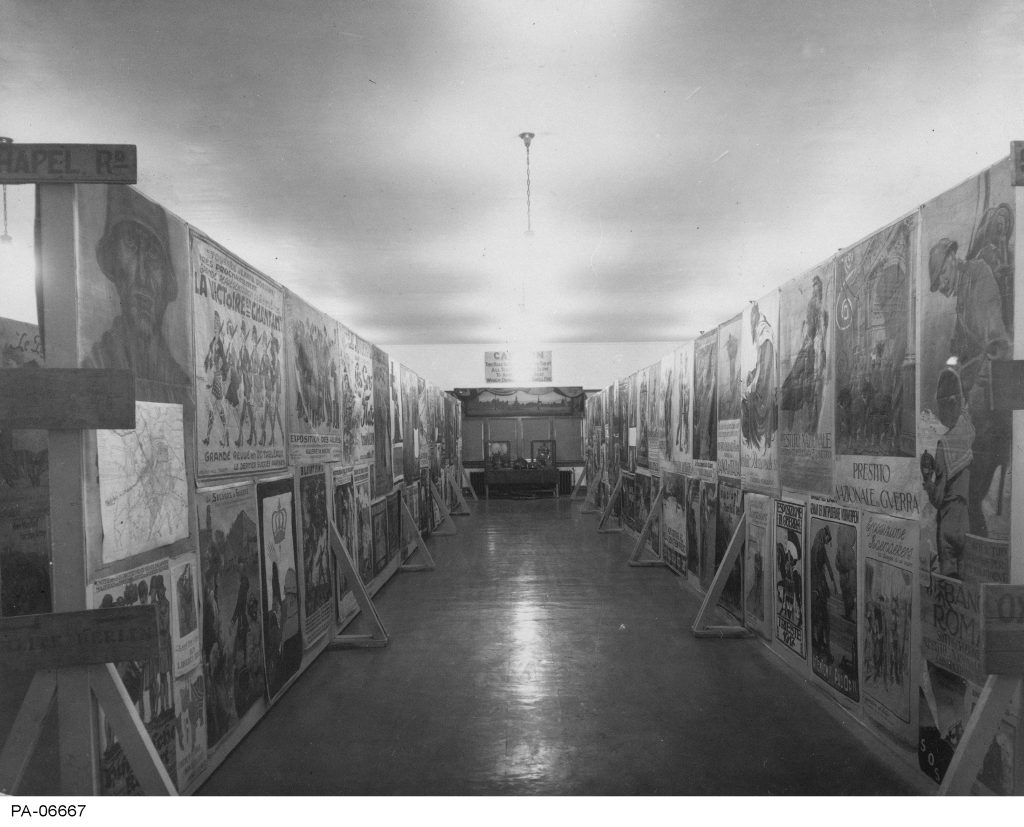
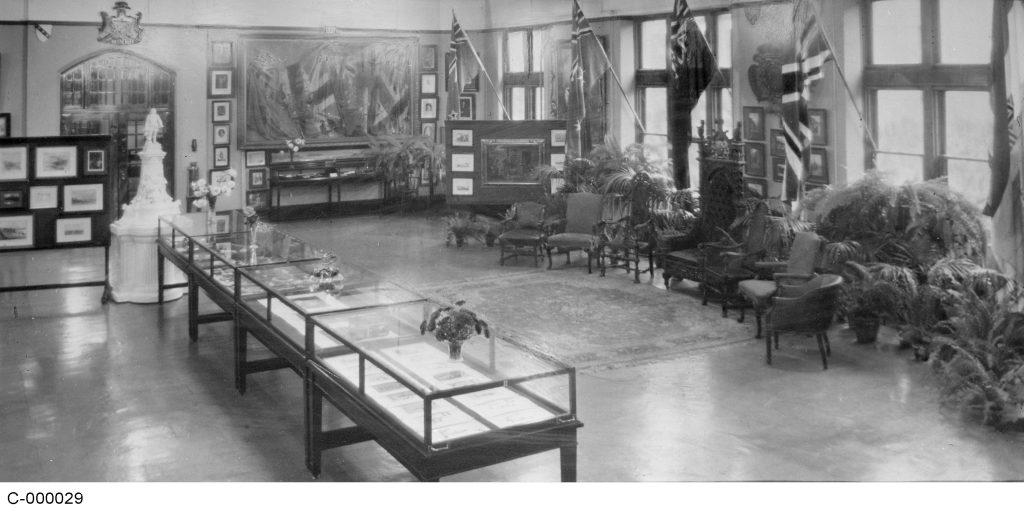
When the archives were moved to a new facility, the building was adapted to serve as the Canadian War Museum, with its extensive collection of artifacts, paintings, and war records acquired since 1880. The War Museum’s collection eventually outgrew the facility and, in 2005, the museum moved to its current home on LeBreton Flats in downtown Ottawa.
Reconnecting with the Power of the River
330 Sussex Drive sat vacant until a partnership between the Government of Canada and the Aga Khan Foundation Canada began a rehabilitation process to transform the building into the Global Centre for Pluralism’s new international headquarters. The building would become a hub for research, learning and dialogue about the values, policies and practices that advance respect for diversity in Canada and globally.
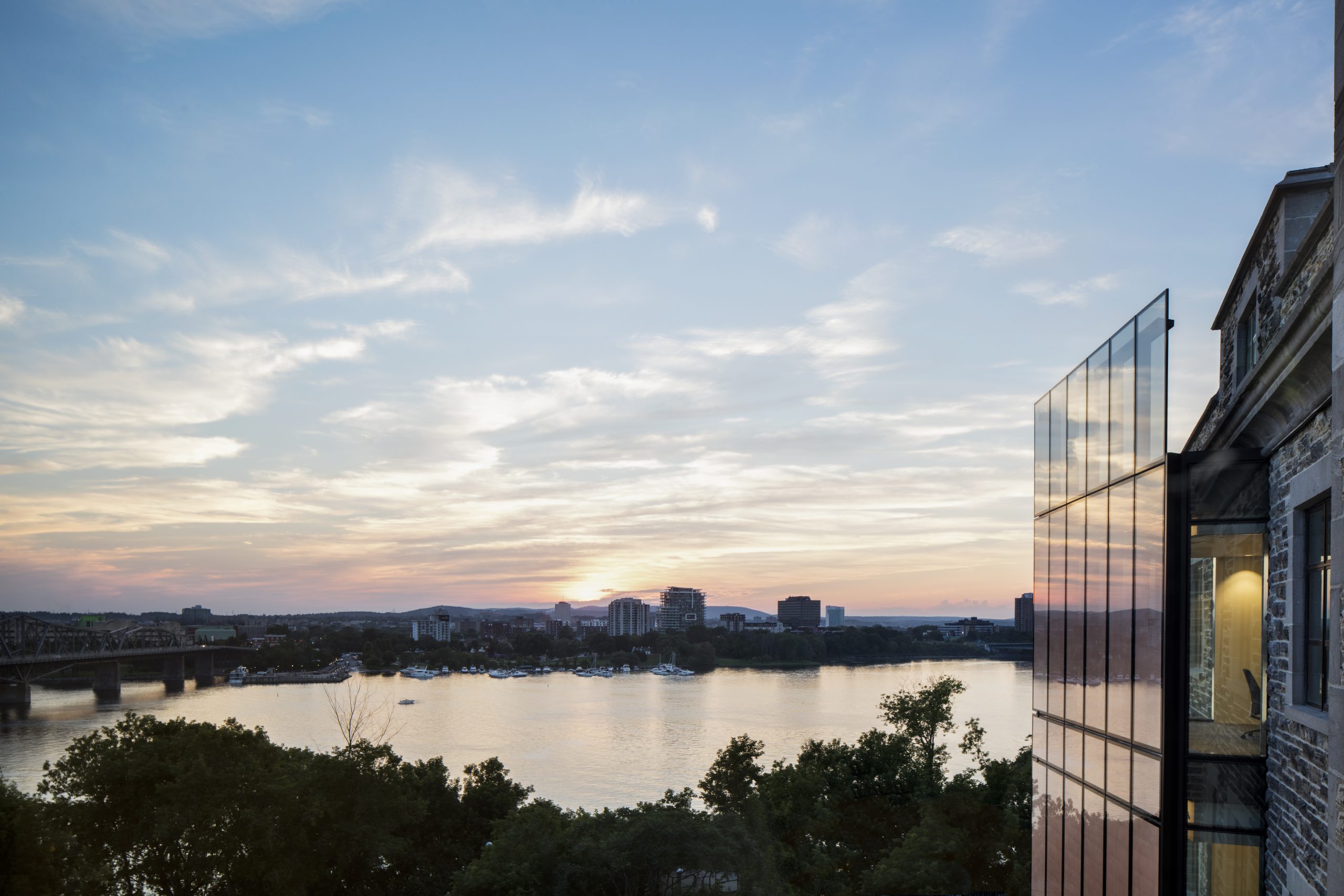
Along with its historic role in the story of Canada’s colonization and nation building, the site’s location overlooking the Kichi Sibi has an innate spiritual power that has drawn diverse people together for millennia. The building’s redesign, by award-winning Canadian firm KPMB Architects, features a three-story bay window extension that opens the back of the building onto the sweep of the river— signaling the Centre’s intended role as a meeting place and bridge between diverse views and cultures. It is today a place that welcomes all and celebrates our differences.
Revitalizing the Waterfront
As part of the restoration of 330 Sussex Drive, His Highness the Aga Khan co-funded the development of a visionary plan to revitalize the surrounding Ottawa riverfront. This initiative, undertaken in collaboration with the National Capital Commission (NCC), aims to transform the area into a vibrant cultural and symbolic public space. By linking Major’s Hill Park, Kìwekì Point, and Lady Grey Drive to the Ottawa River, the plan celebrates Canada’s pluralistic identity while addressing longstanding challenges such as industrial remnants and disconnected pathways.
The vision includes creating a pedestrian and cycling promenade, a landscaped terrace uniting the riverfront facades of adjacent institutions, and a pedestrianized Lady Grey Drive to provide seamless access to the river’s edge. These enhancements are designed to integrate the area’s rich history and symbolism with its future as a destination for cultural and recreational engagement.
The Centre has been instrumental in shaping this transformative vision, advocating for bold and inclusive approaches that align with the principles of pluralism and community engagement. It has also contributed technical expertise to ensure the revitalized riverfront becomes a vibrant, accessible, and symbolic public realm. Included in the NCC’s 50-Year Plan for Canada’s Capital, this initiative exemplifies the power of collaboration between public and private sectors to drive meaningful change.
Through these efforts, 330 Sussex Drive and its surroundings stand as a testament to the integration of heritage preservation, urban innovation, and a commitment to fostering inclusive spaces for all.