
Why Did India Choose Pluralism? Lesson From a Post-Colonial State
Publication Date:
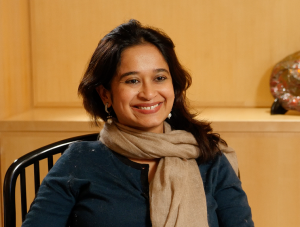
Rochana Bajpai
Rochana Bajpai is a Senior Lecturer in Politics at the SOAS South Asia Institute and a member of the Centre for the International Politics of Conflict, Rights and Justice (CCRJ). Her research interests are in comparative political thought and political ideologies, liberalism and multiculturalism, and modern Indian politics. She is the author of Debating Difference: Group Rights and Liberal Democracy in India, and has also published several journal articles and chapters in edited volumes on constitution-making, secularism, social justice and liberalism in India. She is currently working on a study of comparative affirmative action, with a focus on policy debates in India and Malaysia, as well as comparative political thought and ethnography.
With the death of Franco in 1975, Spain faced multiple challenges, including how best to manage the transition from fascist dictatorship to democracy while also addressing the rise of nationalist movements in Catalonia and the Basque Country seeking autonomy. That the leaders of the democratic transition would build territorial pluralism into their conception of democratization was by no means inevitable. Why and how did democratization and pluralism intersect during the Spanish democratic transition? Forty years on, what does the Spanish experience tell us about the relationship between democracy and devolution and the changing place of pluralism within the self-identity of the country? Which sources of exclusion stubbornly endure?